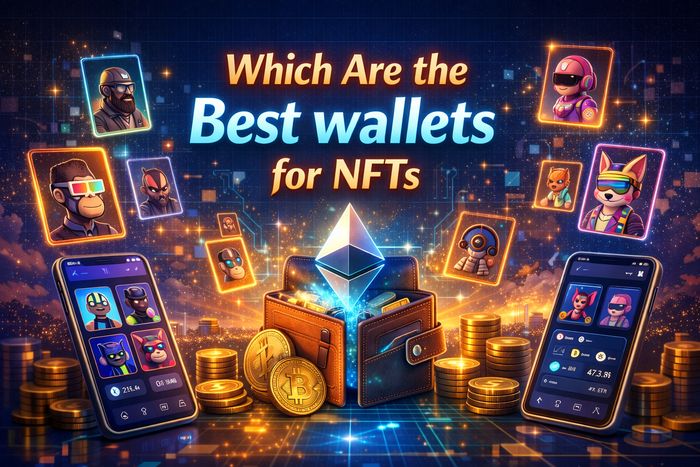
Which Are the Best Wallets for NFTs? The Complete 2026 Guide (Security, Chains, and Real-World Use)
Searching for the best wallets for NFTs can get confusing fast—especially because “NFT wallet” doesn’t mean one single product category. Some wallets are perfect for browsing and buying NFTs on marketplaces, others are built for multi-chain management, and the safest long-term option often involves a hardware wallet paired with a browser wallet.
This guide answers the question “Which are the best wallets for NFTs?” in a practical, buyer-friendly way. You’ll learn: which wallets are best by chain (Ethereum, Polygon, Solana, etc.), which are best for beginners vs. advanced users, how to evaluate security, and how to avoid the most common NFT scams. You’ll also see how NFT wallet workflows can pair well with major crypto platforms such as BYBIT, BITGET, and MEXC for funding your wallet and managing your overall crypto activity.
Disclaimer: This content is educational and not financial advice. Always verify official wallet sources and double-check permissions before signing transactions.
Table of Contents
- What Is an NFT Wallet?
- How to Choose the Best Wallet for NFTs
- Best Wallets for NFTs (Top Picks)
- Best NFT Wallets by Blockchain (Ethereum, Solana, Polygon, and More)
- Hot Wallet vs. Cold Wallet for NFTs
- NFT Wallet Security Checklist (Must-Do)
- How to Set Up an NFT Wallet Safely
- Common NFT Wallet Mistakes to Avoid
- FAQ + Schema
What Is an NFT Wallet?
An NFT wallet is a crypto wallet that can hold and display NFT assets (non-fungible tokens) and interact with NFT marketplaces, dApps, and smart contracts. In most cases, your NFTs are not “stored inside the wallet” like a normal file; instead, the wallet holds the private keys that prove ownership and allow you to transfer or sell the NFTs on-chain.
What a good NFT wallet should be able to do
- Support your chain(s): Ethereum, Polygon, Solana, BNB Chain, Arbitrum, Optimism, etc.
- Connect to marketplaces: Easy dApp connection via browser extension or WalletConnect.
- Show NFTs clearly: NFT gallery, metadata viewing, and token management.
- Offer strong security: Clear transaction prompts, approval management, and optionally hardware wallet support.
- Provide a clean recovery process: Seed phrase control and backup capability.
The “best NFT wallet” depends on your goals: are you minting and flipping daily, or holding high-value collectibles long-term? The correct answer changes based on your risk profile.
How to Choose the Best Wallet for NFTs
Use the criteria below to pick the best NFT wallet for your personal workflow. These are the factors that matter most in practice.
1) Blockchain compatibility (multi-chain vs. single-chain focus)
Some wallets excel on a specific ecosystem (for example, Solana-native wallets), while others are strong multi-chain wallets. If you collect NFTs across several chains, multi-chain support is a major advantage.
2) Security and signing experience
NFT scams often rely on tricking you into signing a transaction that grants dangerous permissions. The best wallets help you see what you’re signing, warn you about risky approvals, and make it easy to separate “trading” funds from “vault” holdings.
3) NFT gallery and usability
If you actively trade NFTs, you’ll want a wallet that displays your collection smoothly, supports multiple accounts, and makes it easy to manage token approvals. If you mostly hold, you may prioritize security over fancy UI.
4) Hardware wallet pairing (best for high-value NFTs)
For valuable NFTs, the most robust setup is typically a hardware wallet (cold storage) paired with a popular browser wallet. This reduces the chance that malware or a malicious signature drains your assets.
5) Funding your wallet (on-ramp practicality)
To buy or mint NFTs, you’ll need chain-native gas tokens (ETH, SOL, MATIC, etc.). Many users buy crypto on a major platform and then send it to their NFT wallet. This is where popular trading platforms can be part of the workflow—especially if you want quick access to spot markets, stablecoins, and transfers.
Best Wallets for NFTs (Top Picks)
Below are widely used wallets that are commonly recommended for NFT use-cases. The “best” choice depends on your chain, device preference, and whether you prioritize trading convenience or maximum security.
1) MetaMask (best all-around for Ethereum & EVM NFTs)
MetaMask remains one of the most popular choices for Ethereum and EVM-compatible chains (Polygon, Arbitrum, Optimism, BNB Chain, etc.). Its strengths are broad marketplace compatibility, a huge ecosystem of tutorials, and easy integration with hardware wallets for safer holding.
- Best for: Ethereum/EVM NFTs, DeFi + NFTs combined, browser-based workflows
- Pros: Universally supported, strong dApp compatibility, hardware wallet pairing
- Cons: Common phishing target; user must be disciplined about permissions
2) Coinbase Wallet (beginner-friendly multi-chain NFT wallet)
Coinbase Wallet is a popular choice for users who want a polished mobile experience, multi-chain support, and easy dApp access. It can be a smooth start if you’re new to Web3 wallets but still want NFT marketplace compatibility.
- Best for: Beginners, mobile-first users, multi-chain collectors
- Pros: Clean UX, strong brand recognition, WalletConnect support
- Cons: As with any hot wallet, security depends on device hygiene and safe signing habits
3) Trust Wallet (popular mobile wallet for NFTs across chains)
Trust Wallet is widely used on mobile and supports multiple chains. It’s convenient for holding and viewing NFTs and can connect to many dApps via WalletConnect.
- Best for: Mobile NFT management, multi-chain basics
- Pros: Large user base, broad chain support
- Cons: Mobile security matters; keep a “vault” wallet separate for high-value NFTs
4) Phantom (best for Solana NFTs)
Phantom is a leading choice for Solana. It’s fast, smooth, and designed around the Solana ecosystem, making it a favorite for Solana NFT collectors and traders.
- Best for: Solana NFTs, fast trading, Solana dApps
- Pros: Great UX, strong Solana integration
- Cons: If you’re heavily multi-chain, you may need additional wallets
5) Rainbow (best “NFT gallery” feel for Ethereum)
Rainbow is known for its user-friendly interface and a strong visual NFT experience. Many collectors enjoy it for browsing and showcasing NFTs, while still maintaining marketplace compatibility.
- Best for: Ethereum NFT collectors, clean interface, mobile usage
- Pros: Excellent UI, intuitive NFT display
- Cons: Advanced power-features may still be better in MetaMask-style setups
6) Hardware wallets: Ledger & Trezor (best for high-value NFT storage)
If you own valuable NFTs, a hardware wallet is often the best long-term security option. The hardware device stores keys offline, reducing the risk of remote compromise. Many users pair a hardware wallet with a browser wallet (like MetaMask) to interact with dApps while keeping signing on the device.
- Best for: Long-term holding, high-value NFTs, “vault” storage
- Pros: Strong security model, reduces malware risk
- Cons: Costs money; requires careful setup and backups
Best NFT Wallets by Blockchain (Quick Picks)
Best wallets for Ethereum NFTs (ERC-721 / ERC-1155)
- MetaMask (broad compatibility, hardware pairing)
- Rainbow (great gallery experience)
- Coinbase Wallet (beginner-friendly)
Best wallets for Polygon NFTs
- MetaMask (Polygon is EVM-compatible)
- Trust Wallet (mobile multi-chain)
- Coinbase Wallet (easy multi-chain usage)
Best wallets for Solana NFTs
- Phantom (top Solana UX)
- Solflare (another strong Solana wallet option)
Best wallets for multi-chain NFT collecting
- Coinbase Wallet (broad coverage + user-friendly)
- Trust Wallet (mobile, wide chain support)
- Hardware wallet + browser wallet combo (best security approach)
Tip: If you use multiple chains, don’t force everything into one wallet. It’s often safer and smoother to use the best wallet per ecosystem (for example, MetaMask for EVM and Phantom for Solana) and keep a separate “vault” wallet for long-term holds.
Hot Wallet vs. Cold Wallet for NFTs
Hot wallet (software wallet)
A hot wallet is connected to the internet (mobile app or browser extension). It’s convenient for trading, minting, and frequent marketplace actions. The trade-off is that you must be extremely careful with links, approvals, and device security.
Cold wallet (hardware wallet)
A cold wallet stores keys offline. This is generally the best option for expensive NFTs you plan to hold for months or years. Many collectors use a cold wallet as a “vault” and a separate hot wallet for daily activity.
The best real-world setup (simple and safe)
- Vault wallet: Hardware wallet for storage (minimal dApp interactions)
- Trading wallet: Hot wallet for minting, flipping, and signing frequent transactions
- Funding wallet flow: Buy crypto → transfer small amounts to your trading wallet → move profits to your vault
NFT Wallet Security Checklist (Must-Do)
NFT wallet security is not optional. Most “wallet hacks” are actually signature scams (malicious approvals) or seed phrase theft (phishing). Use this checklist to dramatically reduce risk.
Non-negotiable security rules
- Never share your seed phrase with anyone—ever.
- Bookmark official sites (wallet, marketplace, analytics) and never trust random DMs.
- Use separate wallets: a “vault” wallet and a “daily” wallet.
- Limit approvals: don’t approve “setApprovalForAll” unless you understand it and trust the contract.
- Review permissions regularly: revoke approvals you no longer need.
- Use hardware wallets for valuable NFTs whenever possible.
- Device hygiene: keep OS updated, avoid shady browser extensions, and consider a dedicated browser profile for crypto.
Practical anti-scam habits for NFT collectors
- Before signing, read the wallet prompt carefully. If it looks unusual, reject.
- Don’t rush. Scammers rely on urgency.
- Use “burner” wallets for mints and unknown sites.
How to Set Up an NFT Wallet Safely (Step-by-Step)
- Choose your chain: EVM (Ethereum/Polygon) → MetaMask; Solana → Phantom; multi-chain → Coinbase Wallet/Trust Wallet.
- Create a new wallet: write the seed phrase on paper (or metal backup), store it offline, never in screenshots or cloud notes.
- Enable device security: PIN/biometrics on mobile, password manager, and a clean browser environment.
- Create two wallets: a daily trading wallet and a vault wallet for holding high-value NFTs.
- Fund carefully: send a small test transaction first, then larger transfers once confirmed.
- Connect to marketplaces: only from official, bookmarked URLs; verify the domain every time.
Many users fund their NFT wallets by purchasing crypto on established trading platforms first, then transferring to self-custody. A common workflow uses one venue as a primary trading hub and the wallet as the long-term storage layer.

Common NFT Wallet Mistakes to Avoid
1) Storing your seed phrase digitally
Photos, cloud notes, email drafts, and screenshots are high-risk. Use offline storage.
2) Using one wallet for everything
If your daily wallet is compromised, your entire collection is at risk. Separate trading and vault wallets.
3) Approving suspicious contracts
Many NFT thefts happen via approvals. Treat every signature like a potential security decision.
4) Clicking links from DMs
“Whitelist,” “airdrop,” and “support” messages are common scam vectors. Use bookmarks and verify domains.
5) Ignoring gas tokens
You need chain-native gas (ETH/SOL/MATIC) to move NFTs. Keep enough for transactions—but avoid storing too much in a hot wallet.
Conclusion: Which Are the Best Wallets for NFTs?
The best NFT wallet depends on your chain and security needs, but here’s a practical summary:
- Best for Ethereum/EVM NFTs: MetaMask (especially when paired with a hardware wallet)
- Best for Solana NFTs: Phantom
- Best beginner-friendly option: Coinbase Wallet
- Best mobile multi-chain: Trust Wallet
- Best for high-value storage: Hardware wallets (Ledger/Trezor) + a trusted interface wallet
If you keep one rule above all others: separate your vault and your daily wallet. That single habit prevents many of the catastrophic outcomes NFT collectors experience.
FAQ
Which wallet is best for NFTs on Ethereum?
MetaMask is one of the most widely supported choices for Ethereum NFTs and works well with hardware wallets for safer long-term holding. Rainbow and Coinbase Wallet are also popular for a smoother NFT gallery experience.
Which wallet is best for Solana NFTs?
Phantom is a top choice for Solana NFTs thanks to its fast UX and deep ecosystem integration. Solflare is another commonly used option.
Do I need a hardware wallet for NFTs?
If you own high-value NFTs, a hardware wallet is strongly recommended. It keeps private keys offline and reduces the risk of remote compromise. Many collectors use a hardware wallet as a vault and a separate hot wallet for day-to-day actions.
Can NFTs be stolen from my wallet?
Yes—most NFT thefts happen through phishing, stolen seed phrases, malware, or malicious contract approvals. Use separate wallets, never share your seed phrase, and be extremely careful with signatures and approvals.
What is the safest way to store NFTs long-term?
The safest approach is cold storage: a hardware wallet with minimal dApp interactions. Keep a separate trading wallet for mints and marketplace activity.
How do I manage approvals and permissions safely?
Avoid approving unlimited permissions unless necessary, review what you’re signing, and revoke approvals you no longer need. Treat every signature as a security decision.